Oliver Queen: A Bold Display Font for Modern Branding
In the crowded landscape of digital design and physical print, typography often serves as the silent ambassador for a brand's identity. Selecting the right typeface is not merely an aesthetic choice; it is a strategic decision that influences readability, emotional resonance, and market positioning. Among the myriad of options available to designers today, Oliver Queen has emerged as a distinctive contender in the realm of display typography. As a bold and brushed display font, it offers a specific textural quality that bridges the gap between rugged authenticity and modern polish. This analysis explores the characteristics, practical applications, and strategic value of Oliver Queen for professionals seeking to elevate their visual communications.
Defining the Aesthetic and Character
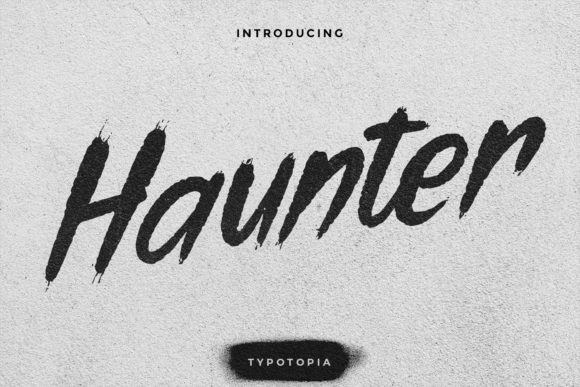
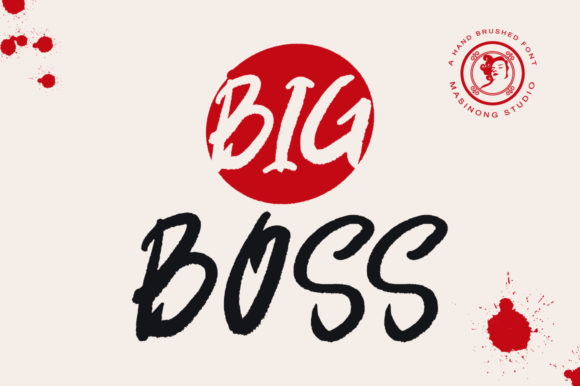
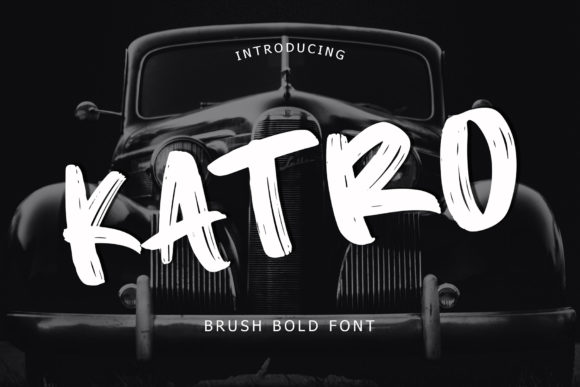
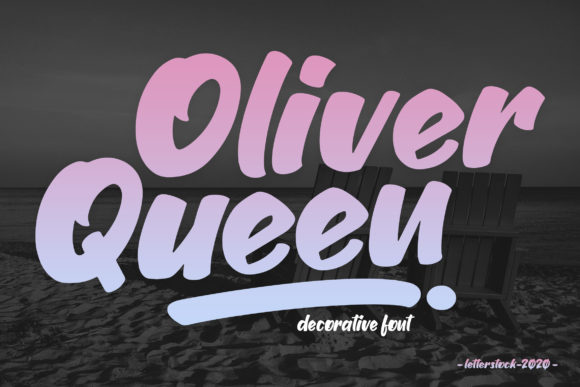
At its core, Oliver Queen is defined by its brushed texture. Unlike standard sans-serif or serif fonts that rely on clean, vector-perfect lines, this typeface incorporates the organic imperfections of a paintbrush stroke. This gives the letterforms a tactile, hand-crafted appearance without sacrificing the structural integrity required for professional use. The "bold" weighting ensures that the font commands attention, making it inherently suitable for headlines, logos, and short-form copy where impact is paramount.
The brush style evokes a sense of movement and energy. It suggests human involvement in the creation process, which can be a powerful psychological trigger for audiences accustomed to sterile, corporate aesthetics. However, Oliver Queen avoids the messy illegibility that sometimes plagues script or brush fonts. The characters are designed with sufficient spacing and clear counters, ensuring that the text remains readable even at smaller display sizes. This balance between artistic flair and functional clarity is what makes the font worth discussing in a professional context.
Strategic Applications in Branding and Packaging
The versatility of Oliver Queen shines brightest in branding and product packaging. For entrepreneurs and small business owners, particularly those in the artisanal, food and beverage, or lifestyle sectors, this font provides an immediate visual cue of quality and craftsmanship. When applied to a coffee bag label, a craft beer bottle, or a boutique soap wrapper, the brushed texture aligns perfectly with narratives of handmade care and premium ingredients.
In logo design, the font's strong presence allows it to stand alone as a logotype or pair effectively with simpler secondary fonts. Its bold nature ensures visibility across various mediums, from storefront signage to social media profile pictures. Marketers utilizing Oliver Queen for campaign posters or event invitations will find that the font naturally draws the eye, creating a focal point that guides the viewer through the hierarchy of information. The font's personality is assertive yet approachable, making it an excellent choice for brands that wish to appear confident but not intimidating.
Apparel and Merchandise Design
Another significant area of utility is apparel design, specifically for t-shirts and merchandise. The fashion industry, particularly streetwear and casual wear, frequently leverages typography as a primary graphic element. Oliver Queen's brushed style translates well to screen printing and direct-to-garment methods, where the texture can add depth to the print without requiring complex multi-color setups. For creators developing merchandise lines, this font offers a ready-made aesthetic that feels current and stylish, reducing the need for extensive custom illustration while still delivering a unique look.
Evaluating Usability and Technical Performance
From a technical standpoint, the effectiveness of any display font depends on its usability within a designer's workflow. Oliver Queen is generally characterized by its reliability in standard design software environments. Whether used in Adobe Illustrator, Photoshop, or web-based design tools, the font maintains its glyph integrity. The consistency of the brush strokes across different characters is a notable strength; often, brush fonts suffer from irregular weight distribution that can make certain letters look out of place. Oliver Queen mitigates this issue through careful kerning and balanced stroke widths, ensuring a cohesive visual rhythm when words are formed.
However, users must remain mindful of the font's intended scope. As a display typeface, Oliver Queen is not designed for body copy or long-form text. Attempting to use it for paragraphs or detailed descriptions would result in poor readability and visual fatigue. Its value lies strictly in short bursts of text—headlines, taglines, labels, and quotes. Professionals should view it as a specialized tool in their typographic arsenal, to be deployed strategically rather than universally.
Target Audience and Ideal Use Cases
Who benefits most from integrating Oliver Queen into their projects? The primary audience includes graphic designers, art directors, and brand strategists working on identity systems that require a touch of human warmth. Freelancers and bloggers looking to create distinct visual assets for their personal brands will also find value here. The font is particularly effective for:
- Creative Agencies: Developing pitch decks or conceptual mockups that need to stand out.
- Event Planners: Designing invitations for weddings, workshops, or corporate retreats where a modern yet organic feel is desired.
- Publishers: Creating cover art for books or magazines that focus on lifestyle, travel, or creative industries.
- Educators: Producing engaging presentation materials or workshop handouts that break away from traditional academic formatting.
For serious hobbyists involved in DIY projects, such as creating custom labels for home-brewed goods or designing prints for a local market stall, Oliver Queen offers a professional finish that elevates amateur efforts to a commercial standard.
Limitations and Practical Considerations
While Oliver Queen offers significant aesthetic advantages, it is important to acknowledge its limitations to ensure realistic expectations. The brushed texture, while visually appealing, can sometimes reduce legibility when scaled down too far or placed against busy backgrounds. Designers must ensure high contrast between the text and its background to maintain clarity. Additionally, because the font carries a specific "vibe"—rugged, energetic, and modern—it may not suit every brand personality. Corporate law firms, financial institutions, or medical organizations requiring a tone of strict conservatism and neutrality might find the brush style too informal.
Furthermore, trend sensitivity is a factor. Brushed fonts have enjoyed a period of popularity in contemporary design. While Oliver Queen executes the style with precision, designers should consider the longevity of this aesthetic in relation to their client's long-term branding goals. For timeless identities, it may serve better as a secondary accent font rather than the primary brand mark, allowing for future evolution without a complete overhaul.
Final Assessment on Value and Integration
In conclusion, Oliver Queen represents a robust option for designers seeking a bold, textured display font that balances artistic expression with functional readability. Its strengths lie in its ability to convey authenticity and energy, making it highly effective for packaging, logos, posters, and apparel. The font's construction demonstrates a thoughtful approach to character spacing and stroke consistency, addressing common pitfalls found in similar typefaces.
For professionals evaluating whether this font fits their needs, the decision ultimately rests on the specific narrative they wish to tell. If the goal is to project confidence, creativity, and a human touch, Oliver Queen delivers substantial value. It is a reliable asset that, when used within its intended parameters, can significantly enhance the visual impact of a project. By understanding its appropriate applications and respecting its limitations as a display face, creators can leverage Oliver Queen to produce compelling, memorable work that resonates with their target audience.